Why a Musical Motif Can Make a Long Work Feel Coherent
A musical motif can connect distant passages without making them identical; learn when repetition, variation or a clearer return best serves a long work.
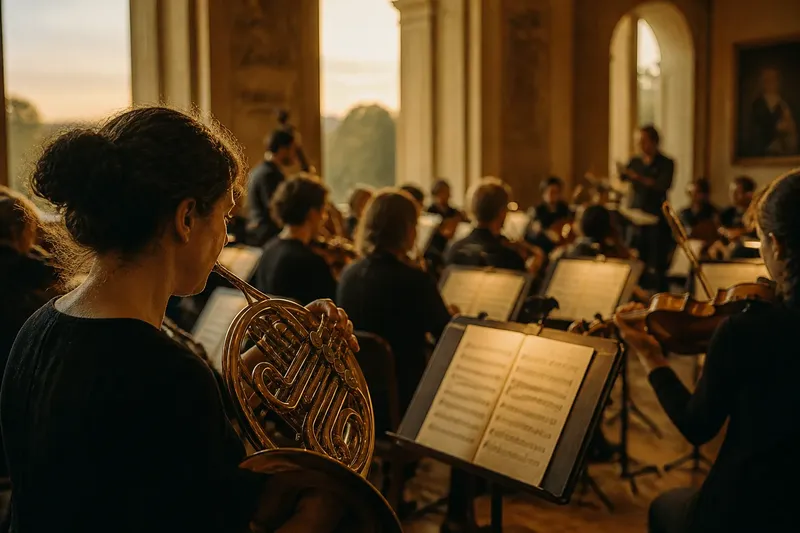
A horn phrase sounds above a quiet string passage, then returns much later as a low, slow line beneath the orchestra. The notes are recognisable, but their new setting makes the music feel as if it has travelled. A musical motif can give a long work this kind of coherence: it offers the ear a familiar point of contact while allowing the surrounding music to change.
The useful question is not simply whether a motif should recur. It is what kind of recognition the work needs at a particular moment. A composer can bring back the idea almost unchanged, reshape it until it feels newly charged, or let it remain absent while other material carries the listener forward. The right choice depends on the passage’s situation.
When distant passages need a recognisable thread
If a work moves through contrasting scenes, keys, tempos or textures, a motif can help listeners sense a relationship between passages that might otherwise feel disconnected. Its recurrence need not explain the plot or announce a formal boundary. A contour, rhythm or distinctive interval may be enough to prompt recognition.
This is especially useful when the work asks the listener to hold a broad shape in mind. A motif can recur after a substantial stretch of different material and make the earlier passage audible in memory. The connection works best when the returning idea has a clear identity: perhaps a rising leap followed by a short fall, or a clipped rhythm that stands apart from the surrounding phrases.
Imagine a composer building a chamber piece around a falling three-note figure first heard in a calm opening. Later sections become restless and dense. If the figure returns in a solo clarinet line, its familiar descent can link the new passage to the opening without requiring the same harmony or mood. The expected result is a sense of continuity across a change of scene, rather than an exact replay.
For this situation, keep the motif’s most recognisable feature audible. If its identity depends on the falling contour, changing every interval and reversing the direction may weaken the connection. Other elements can shift around it: the accompaniment, register, pace or instrumental colour.
When a return should feel like development
If a motif returns after the music has changed, simple repetition may sound too settled. Variation lets recognition carry a new meaning. A phrase once heard as open or tentative might return compressed into a sharper rhythm; a bright line might be spread across lower instruments and given a more restrained harmony.
Choose this approach when the work’s continuity should include a sense of change. The motif becomes a way to hear the distance between two moments, not merely a signpost back to the first. The listener recognises something and notices that it has been altered.
Variation can work through several musical choices:
- Rhythm: lengthen, shorten or displace the pattern while retaining a distinctive contour.
- Pitch and harmony: move the idea into a new key or place it over chords that alter its emotional character.
- Register and timbre: shift from a high flute to low strings, or from a single instrument to a blended ensemble.
- Texture: turn a solo phrase into a counterpoint, or let accompaniment figures carry its rhythm.
- Articulation and pace: make a legato idea clipped, or let a quick figure unfold slowly.
Change has to leave something to recognise. A listener may follow the rhythm even when the pitches move, or recognise the contour through a new instrumental colour. If every feature changes at once, the relationship may be too faint to register. Conversely, preserving every detail can make the return feel pasted in rather than transformed.
When a clear recurrence matters more than surprise
Some passages benefit from a direct return. This fits when the music needs a firm point of orientation: after an elaborate detour, before a closing section, or at a moment when the listener should recognise a familiar idea without puzzling over its identity.
A near-literal reprise can be effective even in a work full of variation. Its clarity gives the surrounding changes a frame. The composer might retain the motif’s rhythm, contour and instrumentation, while adjusting only the accompaniment or harmony. That restraint can make the return feel deliberate rather than repetitive.
It is also useful to consider how much time has passed since the motif was last heard. A phrase repeated soon after its first statement may need alteration to avoid sounding like an immediate echo. After a longer absence, a clearer return can help revive the listener’s memory. These are listening considerations, not fixed rules; a work’s style and pacing shape what feels natural.
What is not worth the effort is changing a motif merely to prove that it can be changed. A variation should serve the passage’s expressive or structural purpose. If the original already fits, keeping it intact can be the more telling decision.
When the motif should stay away
Absence can matter as much as recurrence. If a motif appears at every turning point, listeners may begin to treat it as a routine marker. Letting it disappear can preserve its force and give other musical ideas room to develop on their own terms.
This suits passages that need to feel unfamiliar, exposed or independent of earlier material. It can also help when the motif’s return would state too plainly what the music is already suggesting. A composer may allow the listener to remember the idea without hearing it, then bring it back only when that memory has acquired weight.
Silence does not mean the motif has to vanish from every detail. A rhythm or interval might appear briefly in another part of the texture, too altered to count as a full statement but close enough to create a faint association. Such hints are best used with care. If they are too prominent, the supposed absence becomes another form of repetition.
Which kind of return fits the passage?
How does a motif differ from a theme?
A motif is usually a compact musical idea, such as a rhythm, interval pattern or short melodic figure. A theme is often a more extended statement with a broader shape, though composers and listeners do not always draw a strict line between the terms.
Does a motif need to keep the same notes?
No. It can remain recognisable through its rhythm, contour, intervals or characteristic phrase shape while other details change. The more features that shift, the more carefully the music may need to preserve whichever feature carries recognition.
What fits a passage that feels disconnected?
A clear return can help if the passage needs a recognisable link to earlier music. If the work should feel as though it has developed, a transformed return may connect the sections while making their difference audible.
When should a composer avoid bringing the motif back?
Leave it absent when a passage needs its own space or when a return would make the transition feel too obvious. The motif can remain in the listener’s memory; its absence may itself make a later recurrence more meaningful.
Choose the return by the listener’s task
Think about what the listener is being asked to do at the moment the motif might return. If the passage is hard to place, preserve a clear feature. If the music should reveal change, keep one recognisable thread and alter the rest. If the listener needs a firm arrival, bring the idea back with less disguise. If the scene needs distance, let it rest.
That decision keeps recurrence from becoming a decorative habit. A musical motif can connect distant passages, but coherence does not require every return to sound alike. The most useful return is the one that lets a listener hear both the relationship and the difference: the phrase they remember, and what the music has made of it now.